
Seoul Scissors · Brooklyn
Blowouts, Bridal & Event Styling in Brooklyn
Great Styling Starts With Understanding the Occasion
A blowout for a Tuesday meeting isn’t styled the same way as an updo that has to survive a wedding reception. Hair that holds a curl easily behaves differently from hair that resists it. Hair that was colored last week needs different heat handling than hair that hasn’t seen a chemical service in months. That is why every style doesn’t get the same approach.
At Seoul Scissors, styling is chosen according to your hair’s texture, condition, the occasion itself, and how long the look actually needs to last. Whether you’re getting ready for a night out, a photoshoot, a ceremony, or simply want your hair to feel more finished, the first step is understanding what the occasion actually requires.
With more than 25 years of professional experience, Nicole takes a practical approach to styling: build a finish that fits the moment, protect the hair underneath it, and make sure it holds for as long as you
Services & Pricing
Styling Services
A great style depends on what’s underneath it — healthy hair and a good cut hold curl longer, take heat better, and behave more predictably than hair that’s already stressed. Our styling services are built around the occasion, from a quick polished blowout to a full wedding-day look, customized to what your hair and your event actually need.
Starting prices — your exact quote is confirmed at the consultation before we begin.
Blowout
From $55
Smooth, bouncy, polished hair for any occasion or everyday wear.
Special Occasion Styling
From $95
Updos, event styles, and red-carpet finishes for celebrations.
Bridal Hair
From $150
Wedding-day styles that hold from first look to last dance — trials available.
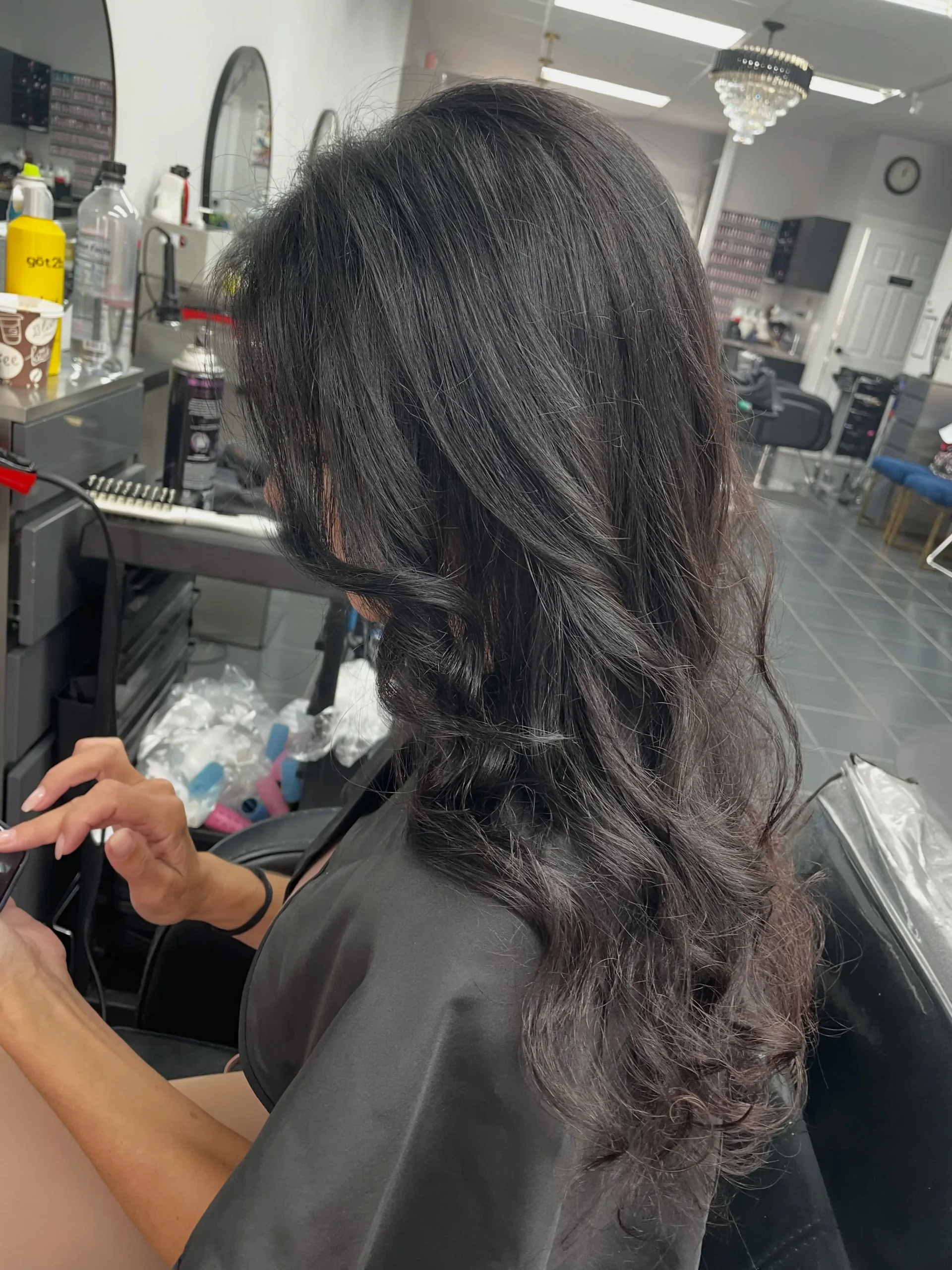
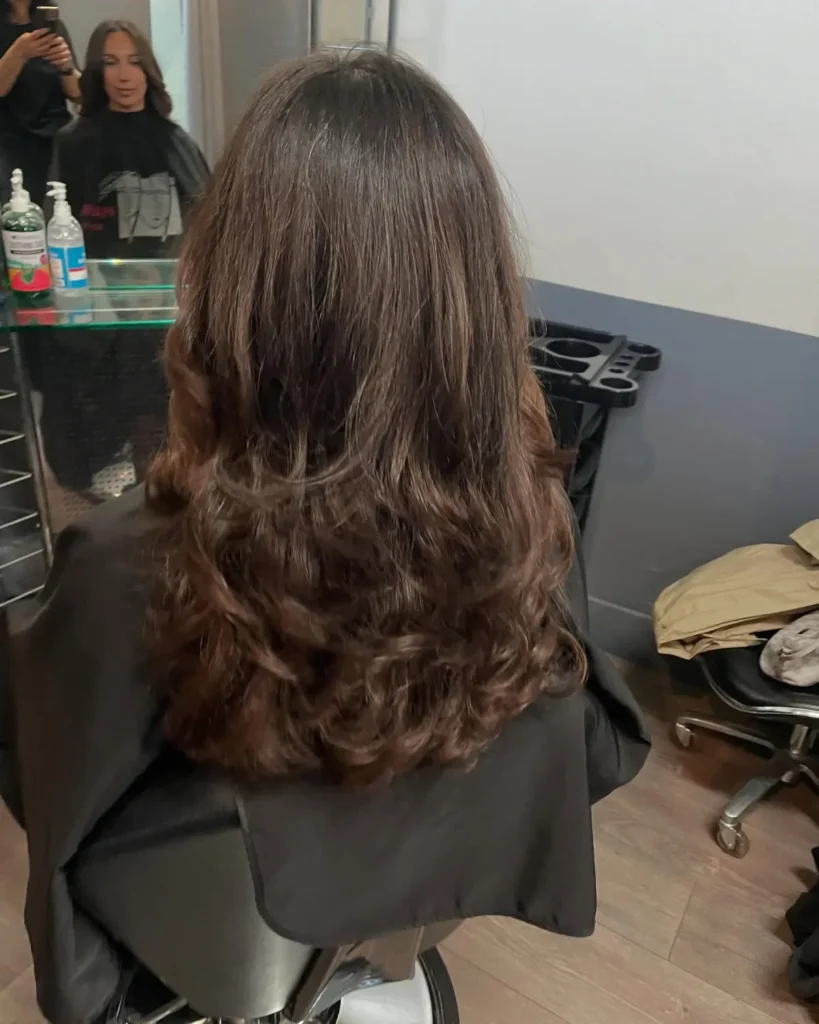
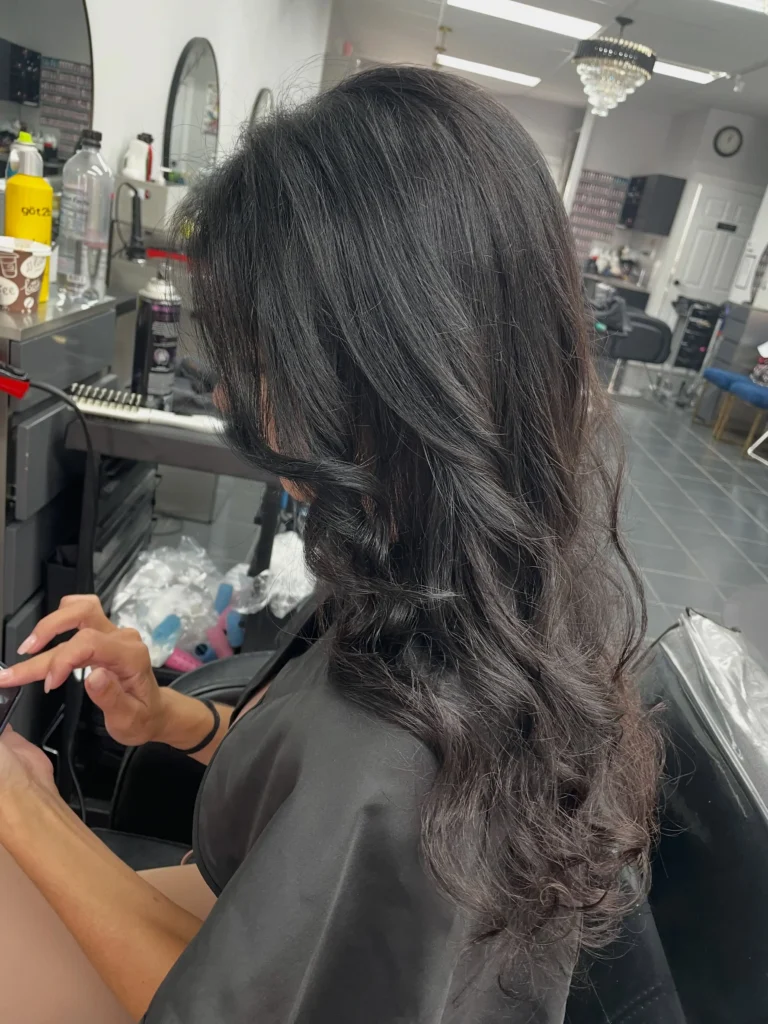
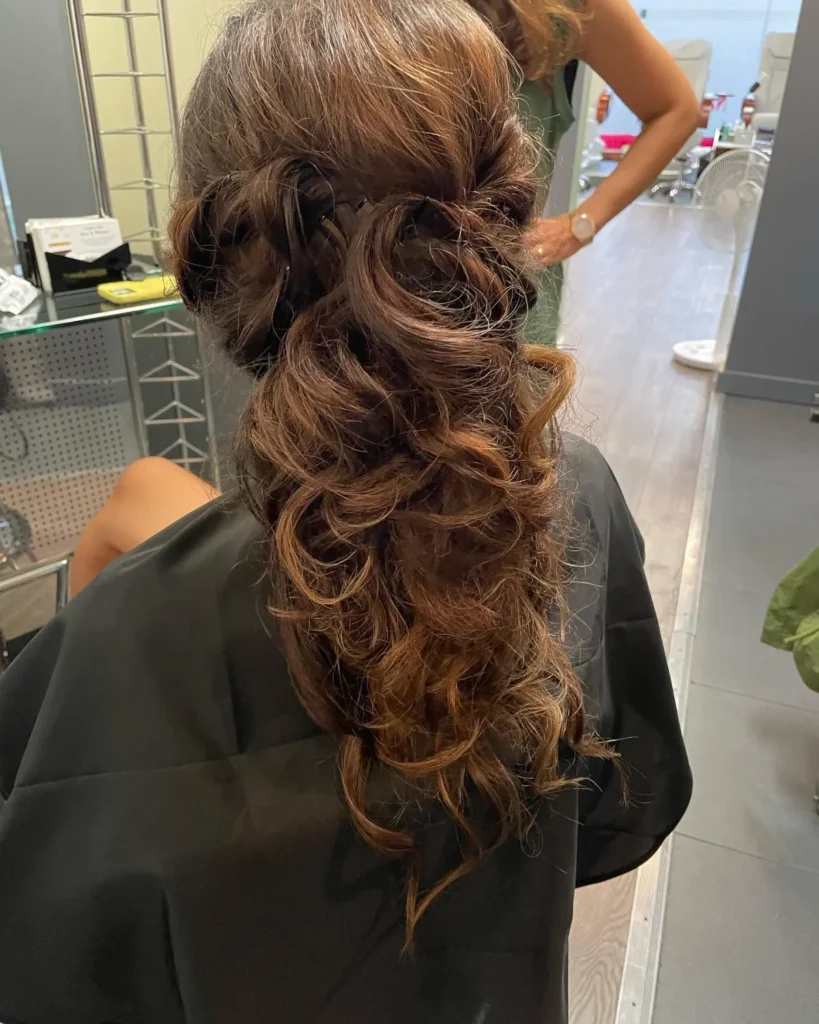
Real Styles From the Chair
Every photo below is my own work, taken here in the Brooklyn studio.
The Basics
What Actually Goes Into a Professional Style?
The word “styling” covers a lot of ground — a five-minute blow-dry, a full updo with pins and pieces, or a bridal look built to survive twelve hours of photos and dancing. What separates a professional style from an at-home one usually isn’t the products. It’s sectioning, tension, the order things are done in, the amount of heat used and where, and knowing how a particular hair type behaves once it’s out of the chair.
A professional style also accounts for what happens after you leave — humidity, hours passed, movement, sweat, and how your hair naturally falls back into its own pattern. The goal isn’t just how the style looks in the first five minutes. It’s how it holds for as long as you actually need it to.
Signs
Do You Actually Need Professional Styling?
You may benefit from professional styling if:
You have an event, photoshoot, or occasion coming up
Your hair won't hold a curl or wave when you try it at home
You've never done an updo yourself and don't want to learn on the day of a big event
You need your hair to last far longer than a normal day
You're standing, dancing, or being photographed for hours
The weather works against whatever you try at home
You're part of a bridal party and want your hair to match everyone else's
You simply want your hair to feel more finished for a moment that matters
You don’t need a “special occasion” to book styling — some people come in simply because they want their hair to feel put-together for a day that matters to them.
Diagnosis
Blowouts, Updos & Bridal Styling Are Not the Same Service
One of the most useful things to understand about styling is that different occasions call for different approaches.
Blowout
A blowout is built for everyday polish — smooth, full, bouncy hair without heavy pinning or elaborate structure. It's meant to look effortless and typically holds through normal daily activity for several days with the right care.
Special Occasion Styling
This covers everything from soft waves to a formal updo for a party, photoshoot, or celebration. It uses more structural technique — pins, backcombing, setting sprays — because it needs to hold through hours of movement, not just a normal day.
Bridal Hair
Bridal styling is built to survive an entire day: getting dressed, a ceremony, portraits, a reception, and dancing — often eight to twelve hours. It usually starts with a trial run so the style, the fit with your dress and veil, and the timing are all settled before the actual day.
Color & Styling
Styling Colored, Lightened & Freshly Processed Hair
Hair color changes how hair responds to heat and product. Permanent color, highlights, balayage, and especially bleaching and lightening can leave hair more porous and more sensitive to high heat than hair that hasn’t been colored. If you’ve recently had a color service, tell Nicole before your styling appointment so heat levels and products can be adjusted to protect both your color and your hair’s condition.
Lightened hair needs extra attention. Bleaching and lightening can place considerably more stress on the hair than depositing color alone. If you regularly have highlights, balayage, vivid color, or other lightening services, maintaining the condition of your hair becomes part of maintaining the color itself. Healthy-looking hair generally gives color a better-looking finish. That’s why treatment and maintenance should be considered alongside the color service rather than as completely separate concerns.
Texture Services & Styling
Styling After a Perm or Straightening Service
Perms and straightening treatments change the structure of the hair, which changes how it responds to styling. Freshly permed hair typically needs different handling than hair that’s been permed for months, and hair that’s undergone Japanese hair straightening behaves differently than hair that hasn’t. If you’re coming in for styling and you’ve recently had a texture service, let Nicole know so the approach can be adjusted. If your hair also needs conditioning or repair before a big event, that’s worth discussing at the same time.
Products & Technique
Do Styling Products Replace Good Technique?
Texture sprays, heat protectants, dry shampoo, and setting sprays all have a place — but no product substitutes for the technique underneath it. A style built with the right sectioning, the right amount of tension, and the right order of steps holds longer with less product than a style that relies on more spray to compensate. More product on the wrong foundation usually just means more product, not more hold.
That’s also why the products you use at home matter less than how the style was built in the first place. A well-built blowout or updo gives you more room to work with once you’re managing it yourself.
For someone with heavily processed or fragile hair, the right question is not simply “What will make my hair smoother?” — it is: “What does my hair actually need, and what service is appropriate for its condition?” That distinction is particularly important when you are already coloring, bleaching, perming, or chemically straightening your hair. If you are considering a smoothing service, discuss your hair history before deciding.
Salon vs. Home
Professional Styling vs. At-Home Styling
Both have a place. Professional styling can deliver a more structured, longer-lasting result for specific occasions, using tools, technique, and product combinations that are difficult to fully replicate alone — especially for updos or all-day wear. At-home styling is what maintains your everyday look between appointments.
Professional styling = built for the occasion · At-home styling = everyday maintenance
Neither replaces the other. A blowout every few days won’t give you a full bridal updo, and no amount of home styling will consistently match the hold and finish of a professionally built one for a major event.
Hair Type
Your Hair Type Affects How It Styles
There is no universal styling approach that works for everyone.
Fine Hair
Fine hair can fall flat quickly. The goal is often maximizing volume and hold without weighing the hair down.
Thick or Coarse Hair
Thicker or coarser hair may need more time, more heat, and more product to fully set a style, but it often holds curls and structure longer once it's set.
Wavy Hair
Wavy hair can be styled to enhance its natural movement or smoothed for a more polished finish — the right approach depends on the look you want and how the hair is behaving that day.
Curly Hair
Curly hair often needs technique that respects its natural pattern rather than fighting it, along with enough moisture that the style doesn't dry out and lose shape.
Color-Treated Hair
Color-treated hair — especially lightened hair — needs more careful heat handling to protect both the color and the hair's condition.
Chemically Processed Hair
Permed, straightened, or otherwise chemically processed hair needs to be styled according to its complete chemical history, not just how it looks that day.
Less Is More
Great Styling Isn't About More Product
Sometimes the best styling advice is to use less, not more.
Reduce heat when the hair is already fragile or over-processed
Skip a second pass with a hot tool if the first one held
Let a blowout rest before adding more product
Avoid restyling the same section repeatedly with heat
Trim damaged ends before a big event rather than styling around them
Give recently colored or permed hair time to settle before heavy styling
A good haircut is also part of great styling — hair that’s shaped well holds a blowout or an updo more easily than hair that isn’t.
Heat
How Heat Styling Affects Hold & Hair Health
Blow dryers, flat irons, curling irons, and other heated tools can all contribute to dryness and damage when used excessively or incorrectly. That does not mean you have to stop styling your hair — it means technique matters. Helpful habits include:
Using appropriate heat protection before any hot tool
Avoiding unnecessarily high temperatures for the hair type
Allowing hair to fully dry before flat-ironing or curling
Working in smaller sections for more even, longer-lasting results
Giving color-treated or chemically processed hair extra care
Not over-styling the same section multiple times in one sitting
The goal isn’t to avoid heat styling — it’s to use it well enough that the result lasts without adding unnecessary damage.
History
Why Your Hair's History Matters for Styling
Two people can walk in wanting the exact same updo and need two completely different approaches. One may have virgin hair that holds curl easily. Another may have highlights, a previous perm, months of heat styling, or hair that’s been chemically straightened. The finished style might look identical, but how it’s built — and how much heat and tension it can safely handle — depends entirely on that history. Be honest about your hair’s chemical history, even services done somewhere else or at home. That’s what determines what can be done safely and what will actually hold.
Evaluation
How Nicole Plans Your Style
There isn’t one style that works for every event. Nicole considers things such as:
Current condition and chemical history
Hair texture and how easily it holds a curl
Length and density
What the event is and how long it runs
What you're wearing, including neckline and accessories
The venue and weather
How long the style needs to last
Whether photos will be taken throughout the event
The objective is a style that actually holds for your event — not just one that looks good for the first photo.
Timing
When Should You Book Your Styling Appointment?
There’s no universal answer, but timing matters more for styling than almost any other service.
For everyday blowouts, booking a day or two ahead is usually enough.
For a special event, book early enough that your hair, your outfit, and your timeline are all settled before the day itself.
For weddings, book a trial two to four weeks ahead of the date, and schedule your day-of styling as early in your morning timeline as your ceremony allows — good bridal styling takes time, and rushing it is the fastest way to shorten how long it lasts.
Treatment frequency depends on: your hair + your services + your routine + your goals.
If your hair feels good and looks healthy, you may not need frequent professional treatments. If your hair has become increasingly dry, brittle, tangled, or difficult to manage, that is a good reason to have it evaluated.
Honest Answers
Can a Blowout Really Last a Week? Does More Hairspray Mean More Hold?
Can a blowout really last a week?
It depends on your hair, your routine, and how you sleep. Most blowouts hold their shape for three to five days with the right care — sleeping on a silk pillowcase or wrapping your hair, avoiding humidity, and refreshing with dry shampoo rather than re-washing. Fine or naturally oily hair may not stretch as far; coarser hair may hold longer.
Does more hairspray mean more hold?
Not necessarily. Past a certain point, additional product just sits on top of the hair rather than adding structure — it can even make the style feel stiff or heavy without actually extending how long it lasts. The right amount of the right product, applied at the right step, matters more than the total quantity used.
Combos
Styling & Your Regular Hair Appointment
Styling doesn’t always have to be a separate appointment. Depending on your hair and the service you’re already getting, styling can be built into your visit.
Haircut + Styling
A finishing blowout is often part of a regular haircut appointment.
Color + Styling
Freshly colored hair can be styled to show off the color's dimension and finish.
Balayage + Styling
Particularly useful for showing off the natural movement balayage is designed to create.
Perm + Styling
New perm texture may need a specific styling approach while the hair adjusts to its new pattern.
Straightening + Styling
Freshly straightened hair may need a lighter styling approach while it settles into its new texture.
At Home
What You Can Do at Home
What You Can Do at Home Between Appointments
Protect it overnight — a silk pillowcase or a loose wrap helps a blowout or set survive sleep
Skip the daily wash — washing less often helps styled hair (and curls) hold their shape longer
Refresh, don't restart — dry shampoo at the roots can revive a blowout without a full re-wash
Watch the humidity — plan extra hold, or a touch-up, on humid or rainy days
Be gentle taking pins out — rushing an updo takedown can cause unnecessary breakage
Keep heat tools on hand for touch-ups, but don't over-style the same section repeatedly
Honesty First
When Styling Isn't the Answer
Sometimes the best recommendation isn’t more styling. If hair is severely damaged, dry, or brittle, the better solution may be:
A hair treatment before your event, not just styling on the day
A trim to remove damaged ends that won't hold a curl anyway
Reconsidering how much heat the hair can safely handle in one sitting
Spacing out chemical services so styling doesn't add more stress
Adjusting the style itself to something the hair can actually support
A responsible styling appointment takes your hair’s condition into account, not just the look you’re picturing.
Your Next Service
Styling & Your Next Appointment
A great style doesn’t happen in isolation — it depends on the health, condition, and history of the hair underneath it. At Seoul Scissors, styling is considered alongside your hair’s actual condition, not treated as a separate concern. Whether you’re planning a haircut, a color refresh, a treatment before a big event, or standalone styling for an occasion, your hair’s current state and history are part of the conversation.
Explore
Explore Related Services
Questions
Frequently Asked Questions
Q1: How long does a blowout last?
Typically 3–5 days with proper care — sleep on a silk pillowcase or wrap your hair, avoid humidity, and touch up with a dry shampoo rather than re-washing.
Q2: When should I book styling for an event?
For everyday blowouts, 1–2 days before is fine. For weddings and big events, book the trial 2–4 weeks ahead, and the day-of styling as early in your timeline as your schedule allows — good styling takes time we never want to rush.
Q3: Do you do bridal parties or just the bride?
Brides are the focus here, with bridal parties accommodated when timing allows — by-appointment-only means your chair time is protected. Message before booking with your party size and date to confirm availability.
Q4: Do I need a bridal trial before my wedding day?
It’s strongly recommended. A trial lets you and Nicole settle on the style, see how it works with your veil or accessories, and troubleshoot anything before the actual day, when there’s no time to start over.
Q5: Can I bring a photo of the style I want?
Yes. A reference photo is a helpful starting point, but the exact result depends on your hair’s length, texture, and density — the goal is a style built for your hair, inspired by what you’re picturing, rather than an identical copy of someone else’s hair.
Q6: Will styling work on hair that doesn't hold curl well?
Often, yes, with the right technique and products, but it’s worth discussing during a consultation so expectations are realistic for your specific hair.
Q7:Is styling included with a haircut?
A finishing blow-dry is typically part of a haircut appointment. Special occasion styling and bridal hair are separate services, since they involve more time and technique.
Q8: Do you offer styling for men?
Special occasion styling is available for men as well — reach out with what you need and Nicole can advise on the right approach.
Q9: Can I bring my own hair accessories or a veil?
Yes. Bring anything you plan to wear so the style can be built around it — this is especially important for bridal trials.
Q10: What if my hair has recently been colored, permed, or straightened?
Let Nicole know before your styling appointment. Recently processed hair may need a different heat level or technique to protect both your hair and the result.
Ready For Your Next Hair Transformation?
Discover a personalized hair experience inspired by Korean and Japanese beauty trends.
Whether you’re looking for a fresh haircut, a color refresh, polished styling, or a more complete transformation, Seoul Scissors is here to create a look that feels flattering, modern, and personal. If you’re ready for hair that feels beautiful every time you wear it,
book your appointment today.
By Appointment Only – no walk-ins
Appointments are booked in advance so your visit can feel relaxed, personal, and fully focused on you. Your time in the chair is reserved just for you — cozy, calm, and never rushed. It’s a moment created for your comfort, your style, and your best hair day. You deserve that kind of care every time you come in.